

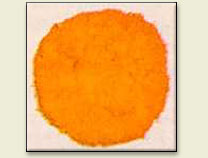
Brief description of Indian yellow:
Clear, deep and luminescent yellow pigment. Indian yellow, magnesium euxanthate, used since ancient times in the Far East, was used by european artist painters in both oil paints and watercolors from the 15th to the 19th century. It was likely first used by Dutch artists, and before the end of 18th century it was commonly used by artists across Europe. Its origin was unknown until an investigation in the year 1883 which discovered that indian yellow pigment was manufactured in rural India from the urine of cattle fed only on mango leaves and water. Banned in England in 19th Century
Names for Indian yellow:
| Alternative names: | snowshoe yellow | ||||||
| Non-English names: |
|
||||||
| Origin: | animal | ||||||
| Chemical name: | magnesium euxanthate |
Example of use by artists:
Holy cow!
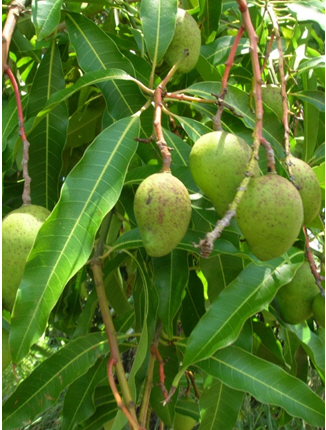
Indian yellow pigment was manufactured in rural India from the urine of cattle fed only on mango leaves and water.
(intro) - Cadmium yellow/red - Chrome yellow - Cobalt yellow - Indian yellow - Lead-tin yellow - Lemon yellow - Naples yellow - Orpiment - Yellow ochre
 Sections: