


A page from the "Causes of Color" exhibit...
Light which is moved by objects

Colors are produced when light is moved through interaction with the environment, creating some of the most breathtaking effects in the natural world, and inspiring some of the most inventive manmade effects.
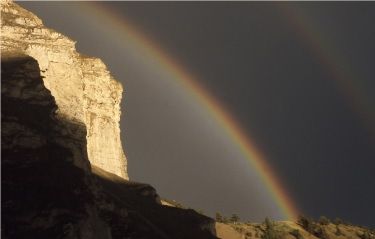
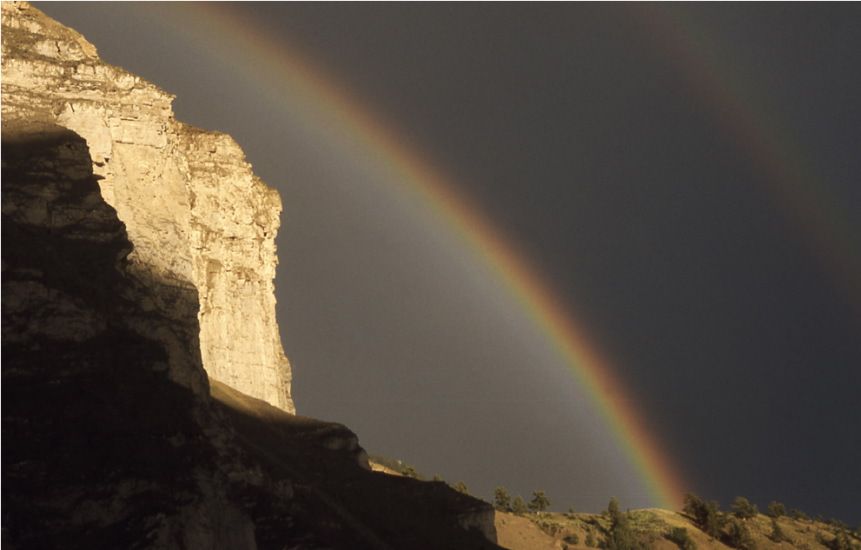
Rainbows are created when raindrops move the sun’s light in a process known as dispersive refraction. The less well-known and elusive green flash has similar roots. Chromatic aberration plagues astronomers and photographers by moving light through the curvature of a lens, creating extraneous color.
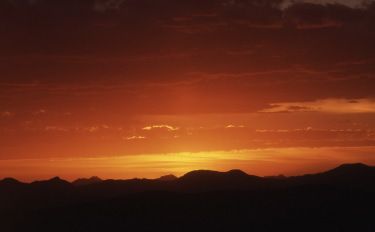

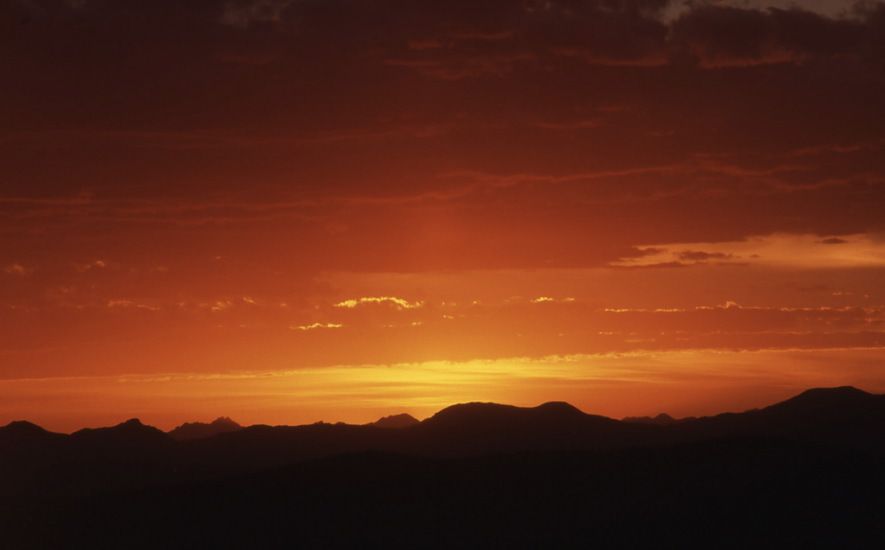
The grand canvas of the sky produces an infinite variety of color as the molecules of the atmosphere move light. We look at the scattering effects that create sky blue, the complementary colors of sunsets, the earth’s shadow, and how the sky would look with a very different atmosphere, such as on Mars, or indeed with no atmosphere at all.
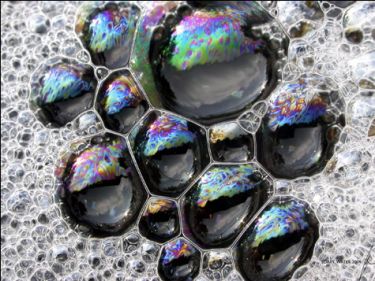
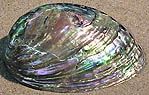
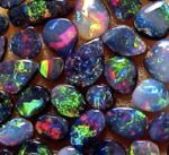

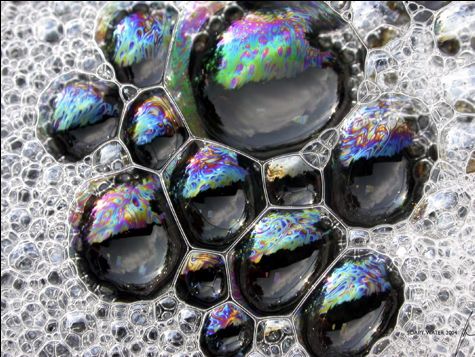
Bubbles, peacock feathers, the lining of seashells and opals create color at the microscopic level of their structure by moving light. Iridescence and diffraction are the processes responsible for these constantly changing and vivid colors, whose fascination has inspired optical inventions such as the hologram.
Moved light separates the color components of incident light, unlocking the overwhelming symphony of white light into individual hues. The rainbow colors that inspired Newton, the ubiquitous yet awe-inspiring displays of our sky, the play of color in opals, the scintillating flash of blue-green peacock feathers and the technologies that imitate them, all rely on the effects created by moving light.